
STEERING COMMITTEE MEMBER
MASE
Multicultural Alliance for a Safe Environment
MASE is a multicultural network of grassroots frontline uranium-impacted communities working to restore and protect the natural and cultural environment, advocate for cleanup of abandoned uranium mine sites, and halt new uranium development in the region.
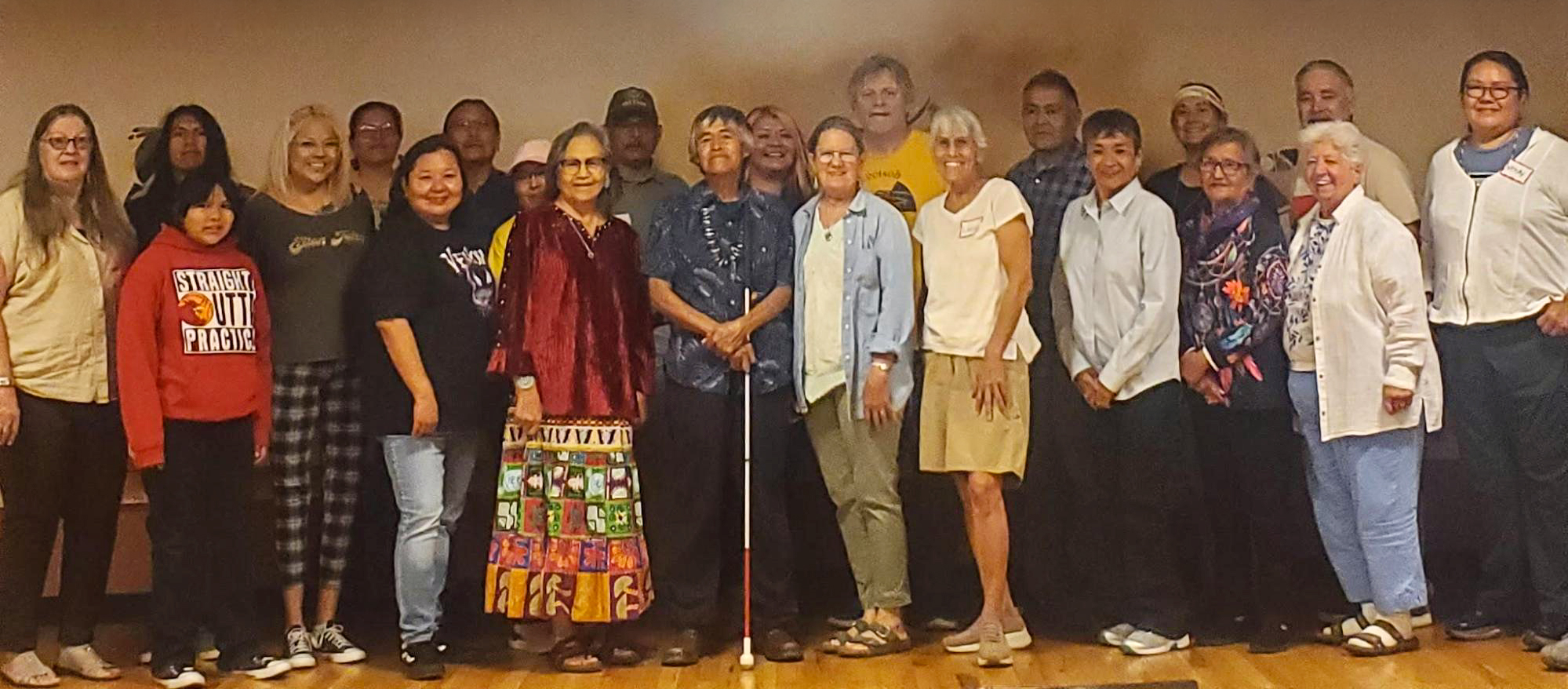
The Multicultural Alliance for a Safe Environment (MASE) was founded in 2007, when a collection of grassroots frontline uranium impacted communities joined together as a multicultural network to collectively frame their work with environmental justice principles based on the Jemez Principles.
We are grassroots people working to restore and protect the natural and cultural environment through respectfully promoting intercultural engagement among communities and institutions for the benefit of all life and future generations.
We do this by working with uranium impacted communities to uplift their concerns and advocate for clean up of abandoned uranium mine sites, and halting new uranium development in our region. MASE is made up of four core groups: Laguna Acoma Coalition for a Safe Environment, Red Water Pond Road Community Association, Eastern Navajo Dinè against Uranium Mining, and the Blue Valley Downstream Alliance.
MASE CORE GROUPS
01
Laguna Acoma Coalition for a Safe Environment
LASCE
The organization works in unity to empower their communities regarding the impacts of resource development—especially uranium mining—on human life, culture, and the environment.
Founded in 1993, Laguna Acoma Coalition for a Safe Environment (LASCE) is a nonprofit grassroots environmental organization made up of concerned tribal members and residents of Laguna and Acoma Pueblos.
A priority for them is advocating for the protection of the culturally significant site of Tsibiina (Laguna) / Kaweshtima (Acoma), known as Mt. Taylor in English. The region contains 97 abandoned uranium mines and 5 former uranium mills, all still awaiting full remediation nearly 60 years after most ceased operations.
Despite this legacy, three new uranium mines have been proposed around Tsibiina / Kaweshtima. These projects are listed under the federal FAST-41 program, which grants expedited review.
MASE CORE GROUPS
02
Red Water Pond Road Community Association
RWPRCA
The Red Water Pond Road Community Association’s mission is to restore the land and water contaminated by uranium mining, improve the health of community members, and protect and preserve the natural and cultural environment in which they live.
Red Water Pond Road Community Association (RWPRCA), founded in 2007, is based near Churchrock, New Mexico in the Coyote Chapter of the Navajo Nation. The community lives between two Superfund sites—the Northeast Churchrock Mine and the Quivera/Kerr McGee Mine—and one uranium mill Superfund site, the United Nuclear Corporation Churchrock Mill.
They also live near the site of the 1979 Churchrock Uranium Spill. The Churchrock Uranium spill is the single largest release of radioactive material in U.S. history. On July 16, 1979, an earthen dam owned by the United Nuclear Corp. broke and released 1,100 tons of radioactive uranium tailings and 94 million gallons of toxic wastewater into the Rio Puerco, contaminating the river for at least 80 miles.
MASE CORE GROUPS
03
Eastern Navajo Dinè Against Uranium Mining
ENDAUM
ENDAUM is educating the community about the dangers of ablation and working with tribal governments to oppose its use in the nation.
ENDAUM’s principal goal is to protect community water sources and safeguard the health of residents from new uranium mining.
Eastern Navajo Dinè Against Uranium Mining (ENDAUM), founded in 1994, formed in response to a uranium corporation’s plan to use the in situ leach (ISL) process in Churchrock and Crownpoint, New Mexico.
ENDAUM played a large role in passing the Dinè Natural Resources Protection Act of 2005, which banned uranium mining on the Navajo Nation.
However, new threats have emerged. In 2025, DISA Technologies proposed deploying High Pressure Slurry Ablation (HPSA) on Navajo Nation lands. Although marketed as remediation, the Nuclear Regulatory Commission classifies ablation as a milling operation requiring permits.
Most waste rock remains contaminated, and no commercial-scale data demonstrate restoration to safe residential or agricultural standards. The process would require hundreds of thousands of gallons of fresh water each month for periods ranging from eight months to thirteen years.
13 yearsproposed HPSA process would require hundreds of thousands of gallons of fresh water each month
MASE CORE GROUPS
04
Blue Valley Downstream Alliance
BVDA
Residents report elevated rates of cancers, asthma, severe migraines, thyroid disorders, and other chronic illnesses. Many have lost access to wells, paid for replacement water, experienced declining property values, and endured prolonged stress.
BVDA advocates for comprehensive cleanup and compensation for those affected by the Homestake tailings facility.
Blue Valley Downstream Alliance (BVDA), founded in 2006, is based in the Milan, New Mexico area near the Homestake/Barrick Gold uranium mill tailings facility. Residents live next to and downstream of the site, which has contributed to long-term groundwater contamination from uranium mining and milling in the Ambrosia Lake–Milan region.
The Homestake/Barrick Gold uranium mill tailings facility operated from 1958 until 1990. The site includes two tailings disposal areas, groundwater remediation systems, and affected aquifers.
Groundwater contamination was first discovered in 1961. Since then, BVDA members have documented the spread and long-term impacts of radioactive waste in the region.
- 22 million tons of radioactive mill waste stored across two piles
- One waste pile 90 feet high covering 200 acres
- Unlined waste pile leaking contaminants into groundwater
- Radon emissions at 2–3× acceptable cancer-risk standards
- 15 years of aquifer flushing with minimal results
200 acresheight and area of one waste pile
MASE
Featured Documents & News
FEATURED DOCUMENT
NUCLEAR FREE ZONE DECLARATION for Northwest New Mexico/Grants Uranium Belt
NEWS & UPDATES
Cleanup of abandoned uranium mines set to start after Navajo Nation, EPA reach agreement
NEWS & UPDATES
‘Nuclear in New Mexico’ conference convenes amid uptick in uranium interest statewide
NEWS & UPDATES
NRC Asked to Reclassify Uranium Mine Waste
Meet the organizations behind New Mexico Mining Watch
A strong coalition working together to protect New Mexico’s communities, land, water, and future.